Mansfield and the surrounding south-metroplex area give us a specific client profile to work with: Mansfield ISD families who have bought into one of the region's top school districts and now manage a full household budget across mortgage, school fees, and the ongoing costs of suburban homeownership. These households are not wasteful with money. They want to understand where every significant expense goes and what it returns.
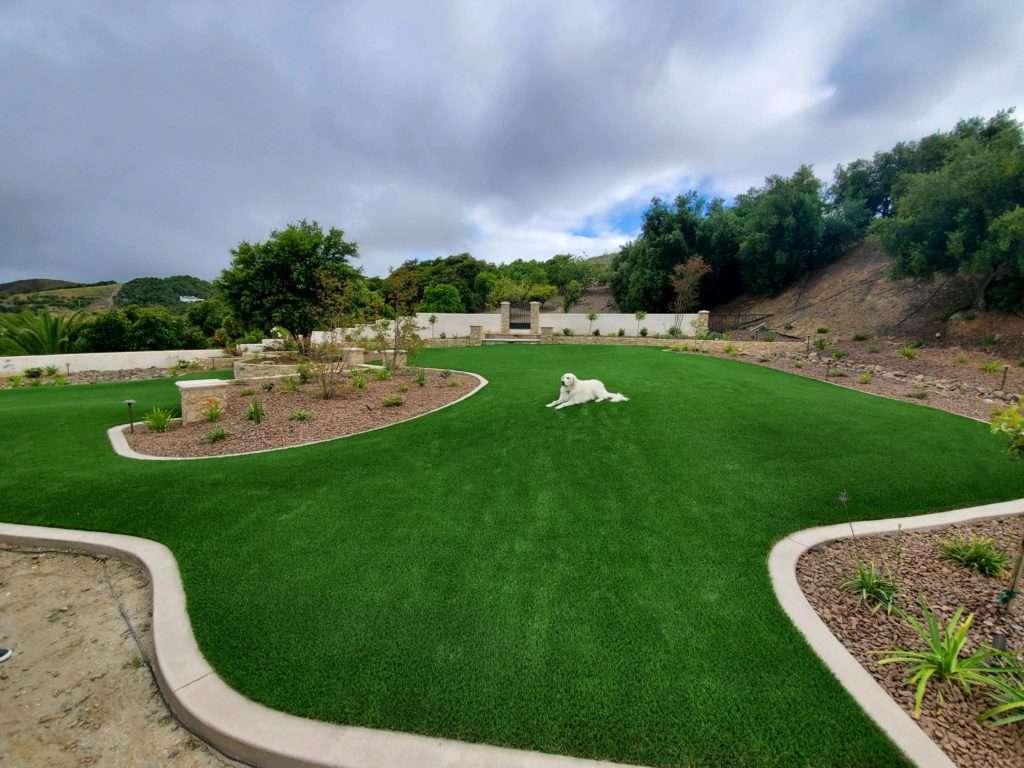
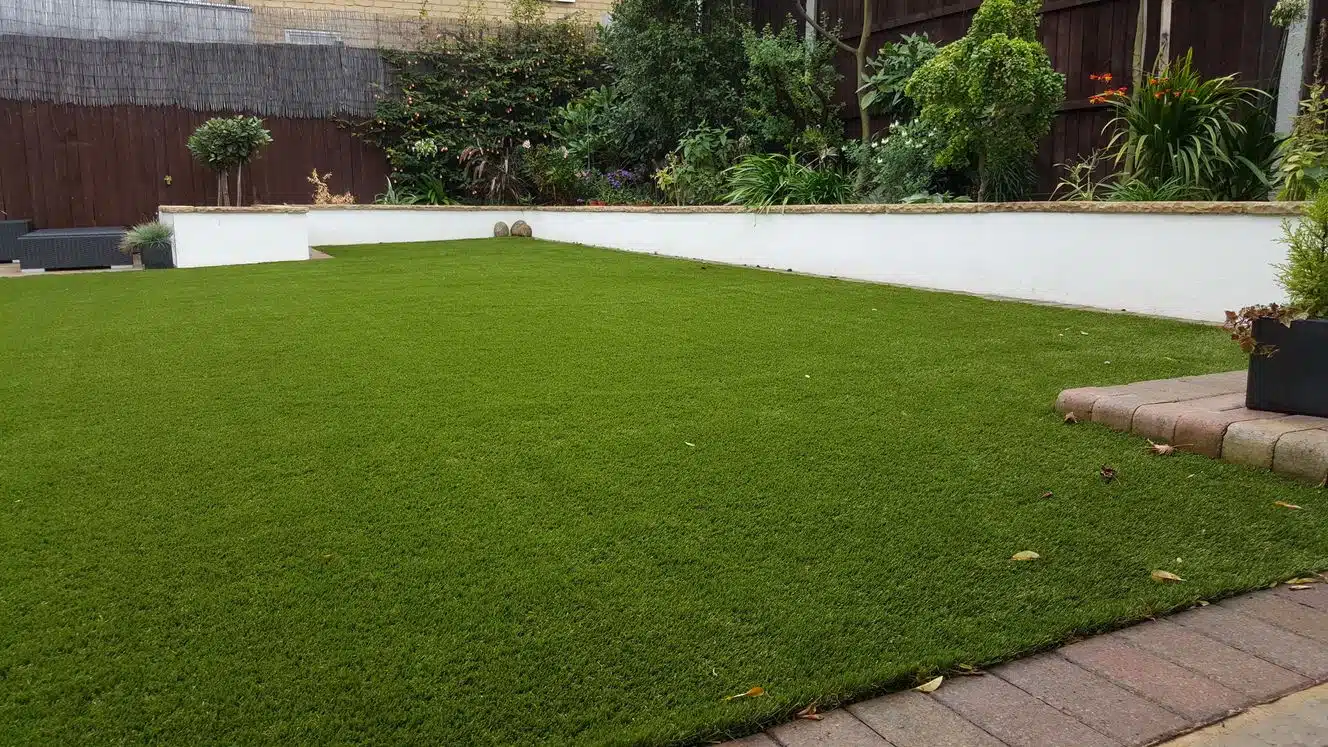
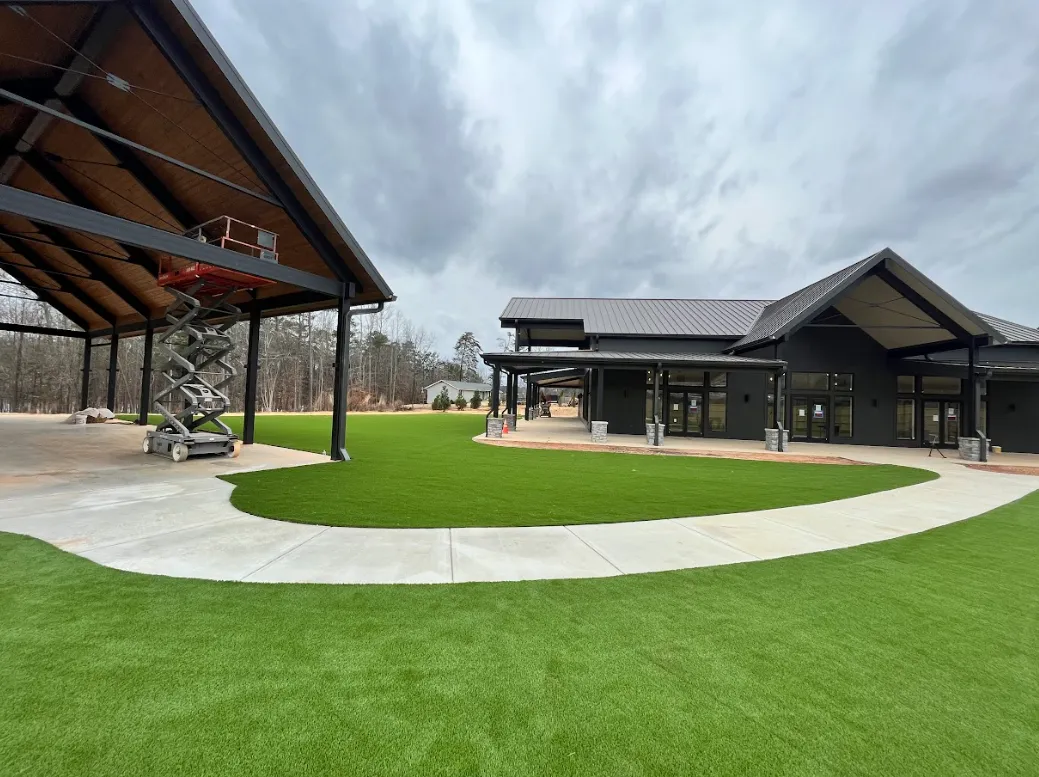
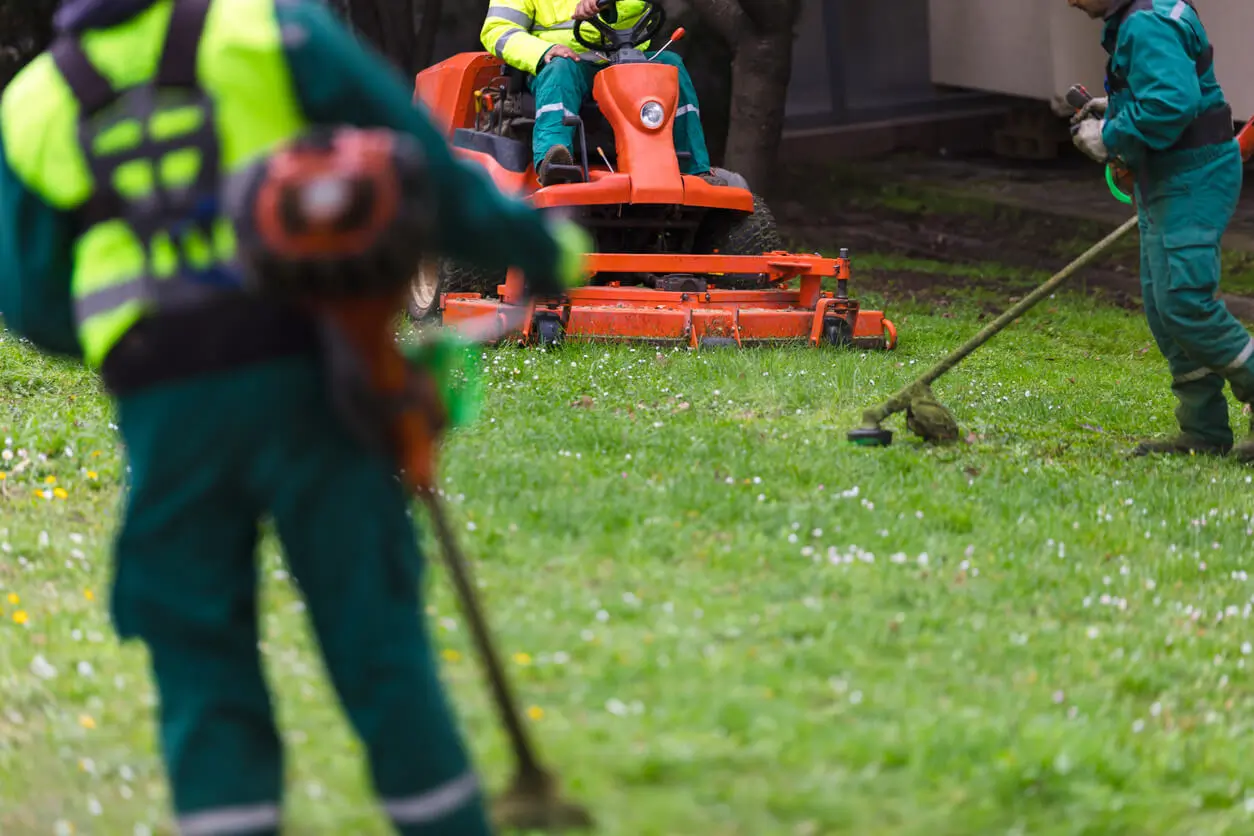
Artificial turf is a significant expense — a typical Mansfield backyard installation runs $12,000 to $20,000 depending on size and product selection. We do not minimize that fact. Instead, we put it in context: that same household spends $800 to $1,400 per year on natural lawn maintenance — irrigation water at Texas summer rates, a mowing service, pre-emergent herbicide applications, and seasonal overseeding on the burned and bare patches that every south-metroplex natural lawn develops by mid-August. Over ten years, that is $8,000 to $14,000 in recurring spend on a lawn that goes dormant brown every winter and requires weekly attention to stay marginally presentable.
When we put those numbers next to each other — one-time turf cost versus ten-year natural lawn cost — the payback conversation becomes clear. And after payback, the savings continue for the remaining five to ten years of the product life. That is the ROI window we are working in, and it is the framework every Artificial Grass of Mansfield consultation is built around.
We also talk about the non-dollar returns: the weekend hours reclaimed from mowing and watering schedules, the Saturday mornings freed up for Joe Pool Lake or the Walnut Creek Country Club or simply being present with children who will only be that age once. We measure those benefits less precisely, but our clients value them — often more than the financial case.